

Blog & Resources

How to Survive Thanksgiving When You’re Struggling With Body Image or Disordered Eating
The holidays can be a difficult and challenging time—especially if you’re navigating body image challenges, recovering from an eating disorder, or trying to shift away from chronic dieting. Thanksgiving in particular tends to bring together two intense ingredients: food and family dynamics. If you find yourself feeling dread instead of gratitude this season, you’re not alone.
Here are therapist-backed tips to help you protect your mental health, honor your recovery, and move through the holiday with more ease and delicious food.

Why the EMDR Session on Secret Lives of Mormon Wives Was Not a Good Example of EMDR
Reality TV loves a dramatic therapy moment—but EMDR (and therapy) is not drama. It’s neuroscience, structure, pacing, dual awareness, safety, and a carefully attuned therapeutic relationship. Unfortunately, the EMDR session shown on Secret Lives of Mormon Wives has sparked confusion among viewers, therapists, and potential clients who are trying to understand what EMDR actually is.
As an EMDR therapist trained in trauma, dissociation, and nervous system–based work, I want to clarify why the session featured on the show is not representative of EMDR practice—and what ethical, trauma-informed EMDR really involves.
Stressed, Anxious, and Overwhelmed? It Might Be Time for a Self-Care Routine (Yes, That’s an Actual Thing)
Learn how to create a self-care routine that helps regulate anxiety. Therapist-approved tips, realistic strategies, and a sprinkle of humor to get you started.

Small Wins, Big Healing: The Power of Progress in Trauma Therapy
Discover how small wins in trauma therapy can lead to lasting healing. Learn why recognizing tiny steps is crucial in recovering from trauma—and how to celebrate them.

How Restricting Food Leads to Restricting Your Life: A Therapist’s Perspective
Discover how food restriction affects more than your body. A therapist explains how dieting and control around food can limit joy, connection, and freedom in your life.

Managing Perimenopause Symptoms: A Gen X Woman’s Guide to Clearing the Fog
If you’re a middle-aged Gen X woman like myself, chances are perimenopause has crept into your life—sometimes subtly, sometimes like a wrecking ball. One day you’re powering through work meetings and remembering every detail of your kid’s school schedule, and the next you’re staring at your laptop wondering why you walked into the room in the first place. Welcome to the world of perimenopause brain fog. Why didn’t anyone warn us?

Understanding Dissociation – What It Feels Like and How Therapy Can Help
Dissociation is a term you may have heard in conversations about trauma or mental health, but it can feel elusive or hard to describe. At its core, dissociation is a psychological response to overwhelming stress or trauma—an adaptive mechanism that allows a person to “disconnect” from experiences, emotions, or memories that feel too painful to process in the moment. While it can protect you in the short term, chronic dissociation can interfere with your ability to feel present, connect with others, and live fully in your body.

Why It’s Best to Choose a Non-Diet Therapist
In this post, we’ll explore what a non-diet approach means, why it matters in therapy, and how it supports your overall mental health and wellbeing.

Does EMDR Work If You Can't Remember the Trauma?
You don't need a complete narrative of your trauma for EMDR therapy to help you heal. Your brain and body hold the imprint of difficult experiences regardless of whether your conscious mind remembers them clearly. EMDR can help process and integrate these experiences, reducing their impact on your daily life.

Why Highly Sensitive People Feel Anxiety More Deeply
Understanding why HSPs experience anxiety more deeply is not just about labeling differences. It is about recognizing the unique neurological and emotional landscape that shapes their daily experience and finding more effective ways to manage anxiety when it arises.

What Is Body Dysmorphia?
People with body dysmorphia become fixated on specific aspects of their appearance, spending hours each day thinking about these perceived defects. Common areas of focus include skin imperfections, facial features, hair, body shape or muscle size. What makes this condition particularly challenging is that others typically cannot see these alleged flaws or view them as insignificant. Meanwhile, the person with BDD experiences genuine distress and believes the imperfections they see are equally obvious to everyone.

Why You Should See a Trauma Therapist—Even If You Don’t Think You Have Trauma
Think trauma therapy is only for trauma survivors? Learn why working with a trauma-informed therapist can benefit anyone—especially if you're dealing with anxiety, boundaries, or relationship issues.

Understanding the Restrict-Binge Cycle: A Therapist's Guide to Breaking Free from Disordered Eating
The restrict-binge cycle is one of the most common — and most misunderstood — patterns in eating disorders and disordered eating. If you’ve ever found yourself stuck in this exhausting loop of “being good” with food only to end up binge eating later (“being bad”), you are not alone. As a therapist who specializes in eating disorders, I see this cycle play out in clients of all ages, genders, and body types.

Sleep Hygiene Tips for When You’re Feeling Anxious
Struggling to sleep because of anxiety? Learn therapist-recommended sleep hygiene tips to calm your nervous system and improve your rest.
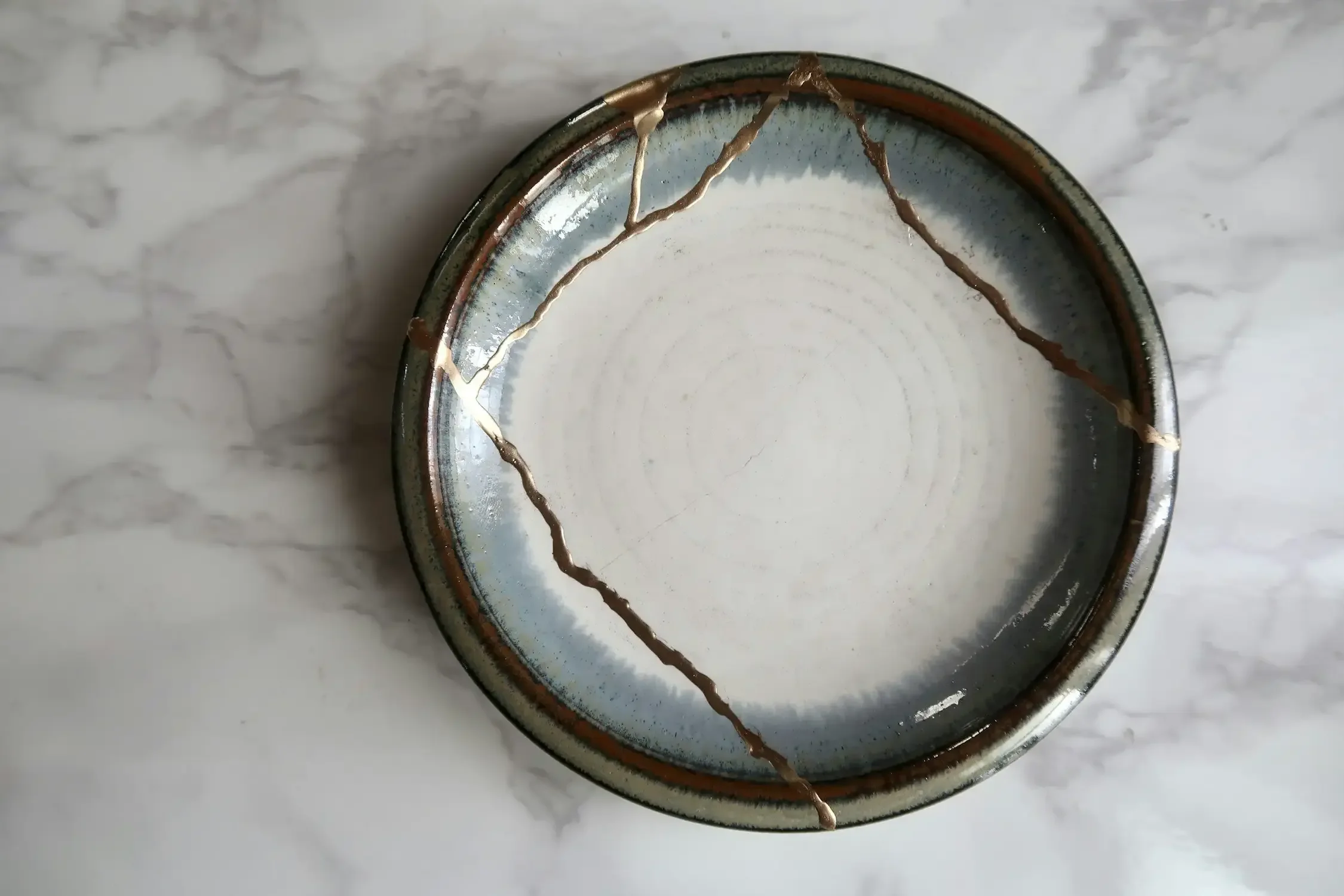
Kintsugi as a Therapeutic Metaphor: Embracing Your Cracks and Reclaiming Your Wholeness
Discover how the Japanese art of Kintsugi can offer powerful therapeutic insights into healing trauma, self-compassion, and embracing emotional scars as part of your unique story.

Why Ice Cream and the Gym Can’t Replace Therapy (Even If We Wish They Could)
Love ice cream and endorphins? So do we. But here’s why your favorite coping tools—sweet treats and squats—can’t fully replace the benefits of therapy, according to a licensed therapist.

Popular Psychology Terms—What They Really Mean (From a Therapist's Perspective)
In this post, we’ll break down some of the most popular psychology terms and explain what they really mean, in a therapeutic context.

Why Being "Strong" All the Time Isn’t Always Healthy: A Therapist’s Take
In our hustle culture and mental toughness era, being told you're “strong” might feel like the highest compliment. As a therapist, though, I often see the hidden pressure behind that word. The truth is, being strong all the time isn’t sustainable, and constantly striving for it can quietly erode your emotional well-being. It’s ok to not be ok. Being strong doesn’t mean you can’t express your feelings. Have a soft heart and a strong back.

Why Rest Is So Hard—And Why You Desperately Need It
Discover why rest is essential for your mental health and why it's so difficult to embrace. A therapist explains how to reclaim rest in a world that glorifies hustle.

Why Changing Your Mindset Doesn’t Work (Until You Do This First)
In this blog, I’ll explain why mindset shifts don’t stick unless you address and reprocess the negative beliefs you hold about yourself—and how real, lasting change happens when you start identifying and challenging those beliefs at the root.